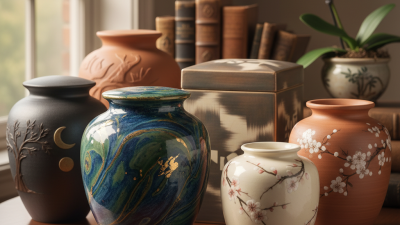
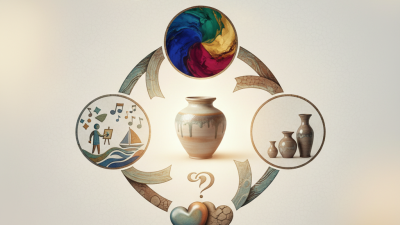
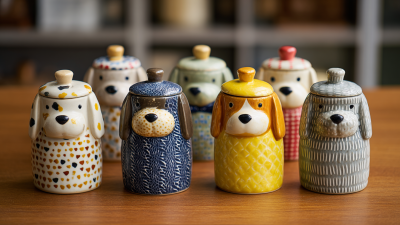
2026 Top Trends in Ceramic Urns for Home Decor and Memorialization?
As we look ahead to 2026, the world of home decor and memorialization is evolving. Ceramic urns are increasingly becoming a popular choice for those seeking elegant ways to honor loved ones. According to a recent report by the National Funeral Directors Association, nearly 50% of families are considering cremation for their loved ones in the coming years. This shift emphasizes the growing significance of ceramic urns in personal memorialization.
Paul Strickland, a renowned expert in the ceramic industry, highlighted this trend: "Ceramic urns offer a beautiful blend of artistry and remembrance." As families search for meaningful ways to celebrate the lives of those they have lost, the aesthetics of ceramic urns play a crucial role. These urns come in various styles, allowing for personalization and unique expressions of love. Increasingly, people are leaning towards designs that reflect individuality and warmth.
However, there are challenges to consider. Not all ceramic urns are created equal. Quality and craftsmanship vary greatly across manufacturers. Families must navigate through the options, seeking durable yet aesthetically pleasing vessels. This journey can be overwhelming, yet it is essential to approach the selection process thoughtfully. The right ceramic urn can become a cherished part of home decor and a poignant symbol of memory.
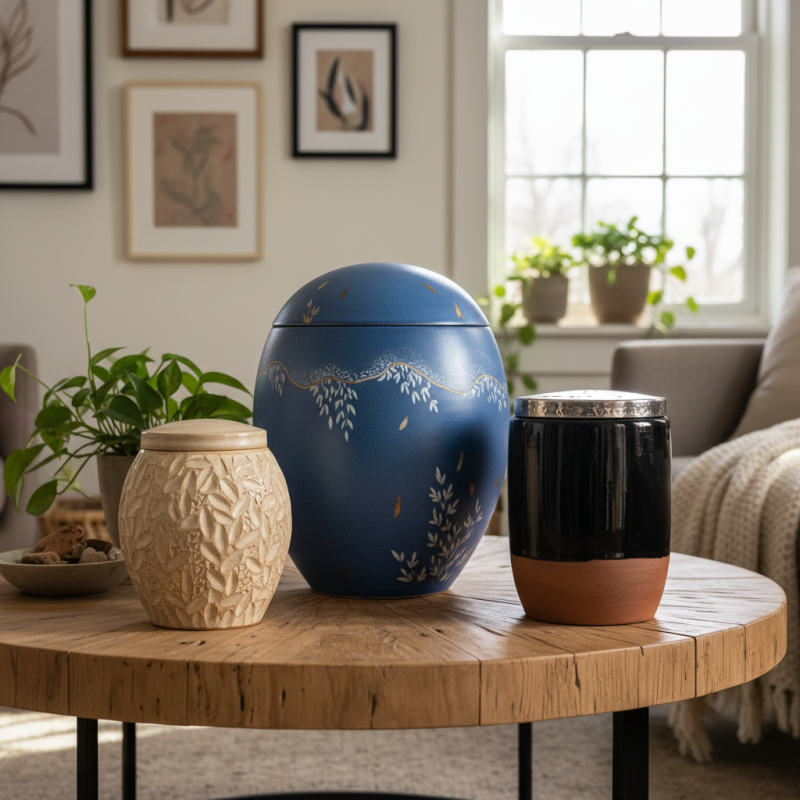
Emerging Materials in Ceramic Urn Design for 2026
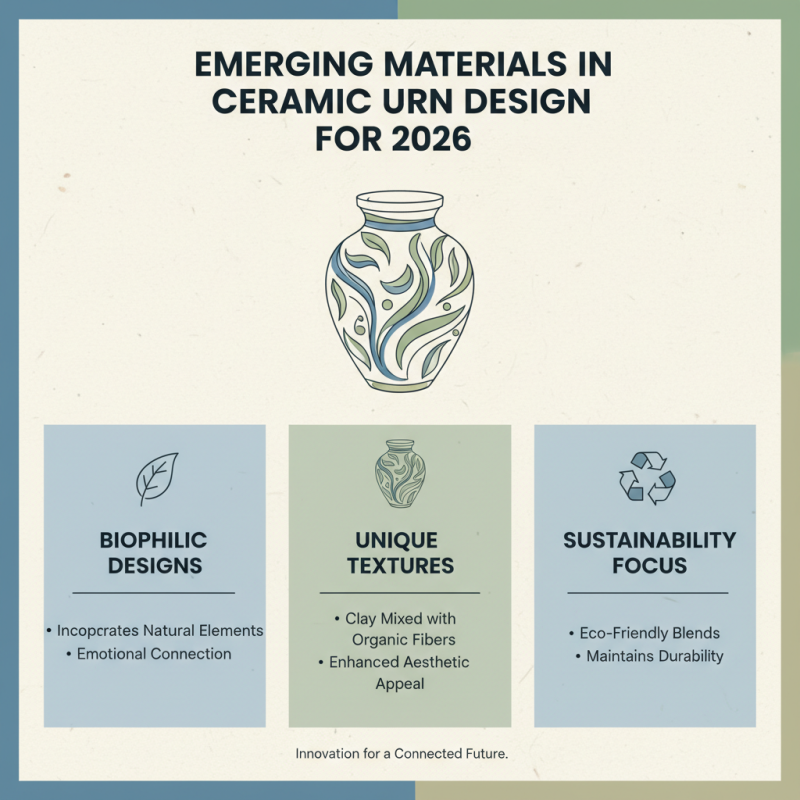
As we look ahead to 2026, ceramic urn design is embracing new materials. Artisans are experimenting with biophilic designs. These incorporate natural elements, resonating emotionally with those seeking connection. Urns made from clay mixed with organic fibers offer a unique texture. This blend enhances the aesthetic appeal while maintaining sustainability.
Innovative glaze techniques are becoming popular too. They create captivating surfaces that reflect light beautifully. Shimmering finishes add a modern touch, allowing personalization. Earth tones remain favored but vibrant colors are gaining attention. People want their memorials to stand out and evoke memories.
Some trends are still evolving and raise questions. Will these new materials withstand the test of time? Can blends of synthetic and natural materials truly honor memory? Each choice reflects personal beliefs and styles. The challenge lies in balancing artistry, durability, and spiritual significance.
Innovative Aesthetic Trends in Ceramic Urn Home Decor
Ceramic urns are transforming home decor in unique ways. These pieces blend artistry with sentimentality. A recent industry report highlights a 30% increase in the use of urns as decorative items, reflecting changing attitudes towards memorialization. Homeowners now seek designs that resonate with their individual styles.
Innovative trends emphasize personalization and aesthetics. Many opt for urns that mimic sculptures or vases, making them a centerpiece rather than a hidden object. Earthy tones and organic shapes are on the rise. Reports show that 45% of buyers prefer unique, handcrafted designs over mass-produced alternatives. This shift encourages artisans to explore new techniques, fostering creativity and diversity in the market.
However, this evolution poses challenges. Not all designs successfully balance form and function. Some urns may lack the durability required for both indoor and outdoor display. Consumers should consider not just the aesthetic appeal, but also the quality and longevity of these pieces. As trends continue to evolve, finding harmony between beauty and practicality remains a nuanced undertaking.
2026 Top Trends in Ceramic Urns for Home Decor and Memorialization
| Trend |
Description |
Colors |
Materials |
Usage |
| Minimalist Designs |
Simple shapes and clean lines for a modern aesthetic. |
White, Black, Gray |
Ceramic, Stoneware |
Home Decor, Memorialization |
| Nature-Inspired |
Urns featuring natural motifs and textures. |
Earth Tones, Greens, Blues |
Clay, Porcelain |
Outdoor Spaces, Gardens |
| Artistic Customization |
Uniquely designed urns personalized for individual stories. |
Varied, Based on Personal Choice |
Mixed Media, Glazes |
Meaningful Memorials |
| Functional Art |
Urns that double as decorative home items. |
Soft Pastels, Bright Accents |
Ceramic, Glass |
Daily Home Use |
| Culturally Inspired |
Designs that reflect cultural heritage and traditions. |
Rich Reds, Golds, Jewel Tones |
Terracotta, Stoneware |
Cultural Celebrations, Rituals |
Personalization Options for Ceramic Urns in Memorialization
The personalization of ceramic urns has become a significant trend in memorialization. Recent studies indicate that about 67% of families now seek custom options when selecting urns. This shift reflects a growing desire for more meaningful tributes to loved ones. Engraving names or adding unique designs can make these urns special. Options are diverse, from hand-painted illustrations to incorporation of cherished quotes.
A report from the National Funeral Directors Association suggests that personalization helps families heal. It fosters connection and brings a sense of closure. Choosing an urn that reflects the personality or interests of the deceased can elevate the memorial experience. Visual elements, like colors and motifs that resonate with shared memories, often hold deep significance for families.
Despite the appeal of personalization, challenges exist. Crafting a truly unique urn requires careful consideration. Some might struggle with balancing creativity with respectful representation. It's essential to reflect on what would honor the individual's legacy while being meaningful for the family. Personalization in memorials is evolving, but it demands thoughtful reflection to ensure it conveys the right sentiments.
Eco-Friendly Practices in Ceramic Urn Production
In 2026, the ceramic urn market is shifting towards eco-friendly practices. This trend reflects a growing awareness of environmental issues. Manufacturers are exploring sustainable materials and processes. Clay sourced from local areas reduces transportation emissions. Some artisans use recycled components in their designs. This approach not only supports eco-conscious production but also promotes local economies.
The production process for these urns often involves energy-efficient techniques. Pottery kilns have been updated to consume less energy. Innovations in glazing methods minimize harmful emissions. However, there are challenges. Some traditional methods require materials that are not sustainable. Balancing craftsmanship with eco-friendliness remains a conversation point within the industry. Many artisans seek to create beautiful urns while being mindful of their ecological footprint. This ongoing dialogue encourages reflection on how memorial practices can align with a more sustainable future.
Cultural Influences on Ceramic Urn Styles and Meanings in 2026
In 2026, cultural influences significantly shape the design and symbolism of ceramic urns. Diverse traditions contribute unique styles. For instance, Eastern cultures embrace minimalist designs, while Western aesthetics often lean towards intricate patterns. The blending of these influences creates a rich tapestry of choices for memorialization.
Ceramic urns are now more than just functional. They serve as art pieces that reflect personal stories. Many artisans incorporate local materials, connecting urns to specific regions. Some designs carry historical narratives or symbolism, prompting deeper contemplation of loss and remembrance. Individuals seek styles that resonate with their heritage or beliefs, adding layers of meaning.
This trend also invites reflection on the relationship between grief and beauty. How do we balance personal expression with universal themes? As we navigate these choices, it’s essential to consider our values and emotions. Each urn holds a story, encouraging us to connect with those we have lost. The choices we make today can influence how future generations remember their loved ones.
2026 Top Trends in Ceramic Urns for Home Decor and Memorialization