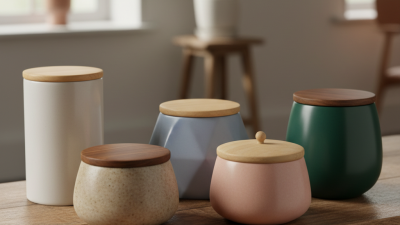
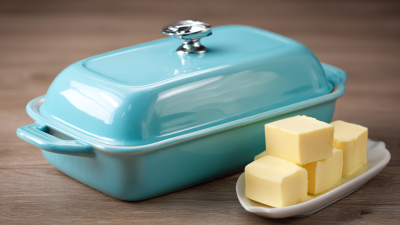
Top 10 Ceramic Food Storage Container Types for Buyers?
Choosing among the top 10 Ceramic Food Storage Container types requires more than comparing colors, shapes, and prices. Buyers must examine glaze quality, lid fit, capacity, weight, and cleaning effort. A container may look elegant on a kitchen shelf, yet stain quickly after holding tomato sauce. Another may feel heavy, but protect leftovers better during daily use.
Food-safety specialist Dr. Ben Chapman often emphasizes that “cleanability matters more than appearance” when selecting food-contact products. That practical idea should guide every purchase. Smooth, intact interiors are easier to inspect and wash. Tight-fitting lids can help reduce spills, odors, and unwanted moisture. However, ceramic bases can chip when stacked carelessly. Small weaknesses matter.
This guide reviews ten useful Ceramic Food Storage Container types for different households and storage habits. These include lidded bowls, nesting sets, ceramic canisters, divided containers, ramekins, casserole dishes, meal-prep boxes, refrigerator jars, serving-storage hybrids, and freezer-friendly designs. Each type solves a different problem.
Some suit a compact apartment. Others fit family meal preparation. A few are attractive but less practical. That distinction deserves honest attention. Buyers should consider refrigerator space, hand-washing preferences, microwave use, and the container’s total weight when filled. A two-cup bowl feels manageable empty. It feels different with soup inside.
The best choice is rarely the most decorative option. It is the one that remains safe, useful, and easy to maintain after repeated everyday use.
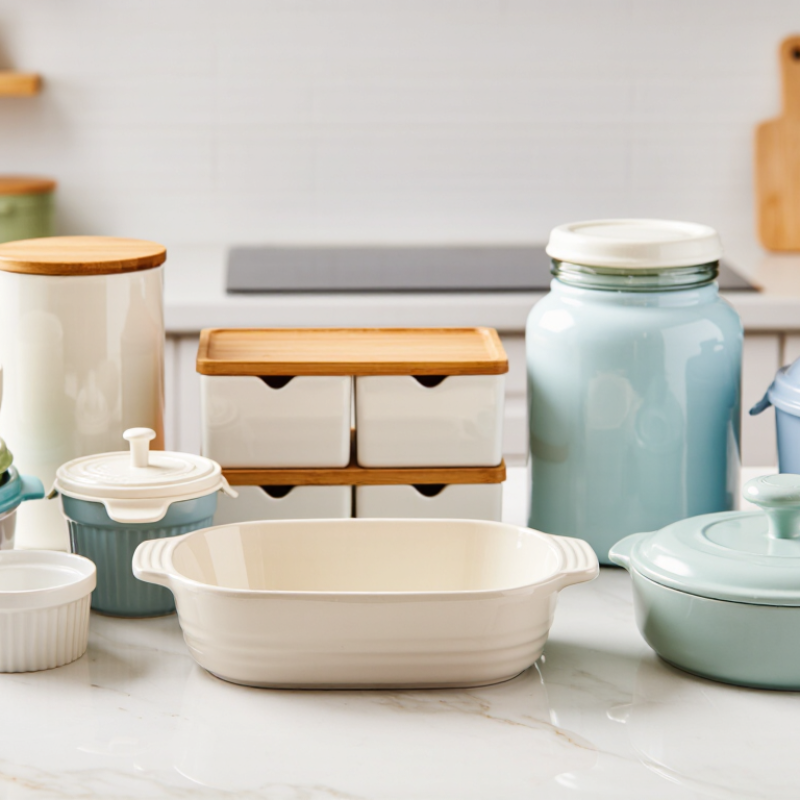
Ceramic Food Storage Containers: Definition, Features, and Common Uses
Ceramic Food Storage Containers: Definition, Features, and Common Uses
Ceramic food storage containers are rigid vessels made from fired clay and mineral materials. High-temperature firing gives them density, weight, and heat resistance. A glazed surface can reduce odor absorption and simplify cleaning. However, ceramic is not automatically nonporous. Cracks, worn glaze, and rough edges can hold moisture and food residue.
Common types include lidded bowls, casserole dishes, ramekins, canisters, lunch boxes, divided trays, pie dishes, fermentation crocks, butter keepers, and freezer-to-oven dishes. They suit cooked vegetables, grains, soups, baked meals, leftovers, and dry ingredients. In practical kitchen use, their weight helps prevent sliding during serving. Their appearance also supports direct movement from refrigerator to table. That convenience has limits. Sudden temperature changes may damage some pieces.
The U.S. Department of Agriculture’s FoodKeeper guidance recommends using most cooked leftovers within three to four days when refrigerated. Ceramic containers can support that routine, but they do not extend safe storage time. The U.S. Environmental Protection Agency reported that containers and packaging represented 28.1% of U.S. municipal solid waste generation in its 2018 Facts and Figures report. Reusable storage may reduce dependence on disposable packaging, although cleaning, transport, and breakage still create impacts. FDA guidance also warns that improperly made or decorated ceramicware may release lead or cadmium. Buyers should check food-contact suitability, inspect glaze damage, and avoid unverified decorative pieces for meals. Availability is not proof of safety.
Top 10 Ceramic Food Storage Container Types for Buyers
Ceramic food storage containers are reusable, non-porous vessels commonly used for storing, serving, reheating, and baking food. The chart compares representative capacities of ten common container types.
Common Uses and Buyer Considerations
Rectangular and square containers are practical for meal preparation and leftovers, while round casseroles and lidded baking dishes are suited to oven-to-table cooking. Ramekins and small jars work well for sauces, spices, desserts, and portion control. Soup bowls, mugs, canisters, and butter dishes support everyday kitchen storage and serving. Buyers should check the manufacturer’s guidance for oven, microwave, freezer, dishwasher, and thermal-shock safety because ceramic performance varies by glaze, construction, and lid material.
Ten Ceramic Container Types Classified by Shape, Function, and Storage Need
Top 10 Ceramic Food Storage Container Types for Buyers
Ten Ceramic Container Types Classified by Shape, Function, and Storage Need
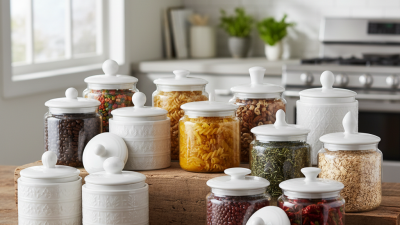
Ceramic storage works best when shape matches the food. Round lidded jars suit rice, oats, and coffee. Square stackable boxes save shelf space. Rectangular containers fit meal portions and refrigerator shelves. Oval dishes hold roasted vegetables or casseroles. Tall canisters protect flour, sugar, and pasta from kitchen humidity. Shallow trays cool leftovers faster and make contents visible. Nesting bowls reduce cabinet clutter. Small ramekins manage sauces, spices, and single servings. Divided bento-style boxes separate grains, vegetables, and proteins. Fermentation crocks support controlled brining when their lids and seals are properly designed.
The U.S. Department of Agriculture recommends keeping refrigerated food at 40°F or below. Therefore, buyers should check whether ceramic bodies and lids tolerate repeated chilling. Sudden temperature changes can cause cracking. I have seen attractive pieces fail after moving from a refrigerator to a hot oven. That detail is easy to miss. The U.S. Environmental Protection Agency reports that containers and packaging generated 82.2 million tons of municipal solid waste in 2018, representing 28.1% of the total. Durable ceramic may support longer use, but only when buyers choose suitable sizes and handle chips promptly.
Heavy lids improve sealing, though they also increase weight. Glazed interiors are easier to wash and less likely to retain odors. Unglazed surfaces need closer care. Buyers should inspect rims, hinges, and gasket contact areas before purchase. Airtightness claims deserve testing, not blind trust. Ceramic is not automatically better for every storage need.
Material Quality, Glazing, Lids, Sizes, and Capacity Considerations
When comparing the top ten ceramic food storage types, inspect the clay body before the shape. Dense stoneware usually feels heavier and resists temperature changes better than thin earthenware. Porcelain offers a smoother surface, but it can chip sharply after impact. Look for an even, food-safe glaze without pinholes, crawling, or rough patches. These defects can trap sauces and complicate cleaning.
Useful forms include nesting bowls, meal-prep boxes, rectangular leftovers dishes, soup containers, ramekins, canisters, butter dishes, baking-storage dishes, lunch containers, and fermentation crocks. Choose sizes around actual habits. A 300-milliliter container suits sauces, while a 1.5-liter dish handles family leftovers. Oversized containers waste refrigerator space. Tiny ones become frustrating quickly. Measure your shelves first.
Lids deserve equal attention. Silicone-sealed lids control leaks better than loose ceramic covers, especially for soups. Vented lids help release steam when reheating, but they should not be treated as fully leakproof. Wooden lids look attractive, yet they may absorb moisture and require careful drying. I check the rim by running one finger around it; uneven edges often predict poor sealing. Small chips matter. I once kept a beautiful container with a weak lid, and it failed during transport. That choice was impractical, despite the excellent glaze. Dishwasher and microwave guidance also varies, so read the maker’s care instructions rather than assuming all ceramic performs alike.
Comparing Airtight, Freezer-Safe, Oven-Safe, and Stackable Designs
Top 10 Ceramic Food Storage Container Types for Buyers
The best ceramic container depends on how you store, reheat, and organize food. Airtight round containers suit soups, grains, and leftovers with sauces. Rectangular and square designs use refrigerator shelves efficiently. Divided containers keep vegetables, rice, and protein separate, although their seals may be less reliable. Nesting sets save cabinet space, while stackable canisters reduce clutter on narrow shelves.
Freezer-safe ceramic containers should resist thermal shock and include enough expansion space. Never move a frozen dish directly into a hot oven. Lidded casserole dishes are useful for baked pasta, roasted vegetables, and family portions. Ramekins work well for sauces and small desserts. Ceramic baking dishes can move from oven to table, but their lids may not be oven-safe. Meal-prep containers offer practical portions, yet some feel heavy for daily commuting. Check every temperature rating.
Tips: Inspect the rim and lid gasket before buying. A tight seal should close evenly, without forcing it. Choose wide, shallow shapes for faster cooling. Use canisters for dry goods, but avoid assuming every lid is airtight. Ceramic can chip. I have found that small edge damage worsens after repeated washing. Stack only matching bases, and place soft cloth between fragile pieces. When in doubt, hand-wash the lid and follow the maker’s care instructions.
Buyer Selection Guide for Safety, Maintenance, Durability, and Value
Top 10 Ceramic Food Storage Container Types for Buyers?
Choosing ceramic storage starts with food safety, not appearance. Consider lidded bowls, nesting sets, casserole dishes, ramekins, divided trays, canisters, meal-prep boxes, pie dishes, fermentation crocks, and lunch containers. Select pieces with clear food-safe glazing and smooth, intact surfaces. Avoid containers with chips, hairline cracks, or rough glaze around the rim. Those flaws can trap food and complicate cleaning. Check whether the lid uses food-grade silicone or plastic. Ceramic itself may tolerate heat, but its lid often does not.
Maintenance affects long-term value. Hand washing protects delicate finishes, although some pieces are dishwasher-safe. Always read the manufacturer’s care instructions. Do not move a cold container directly into a hot oven. Thermal shock can cause sudden breakage. Let it warm gradually. I once underestimated this detail. A beautiful dish became unusable after a rushed temperature change. Let leftovers cool before sealing them tightly. This reduces condensation and unpleasant odors.
Durability depends on wall thickness, glaze quality, handle strength, and lid fit. Heavy ceramic feels stable, but it also increases storage weight. Measure cabinet shelves and refrigerator space before buying. Stackable shapes usually save room. Replaceable lids can improve value, if available. Compare capacity, warranty terms, cleaning effort, and expected daily use. Cheap pieces may cost more when lids warp or surfaces stain. Inspect every item under bright light. Small imperfections are sometimes acceptable, but structural cracks are not.